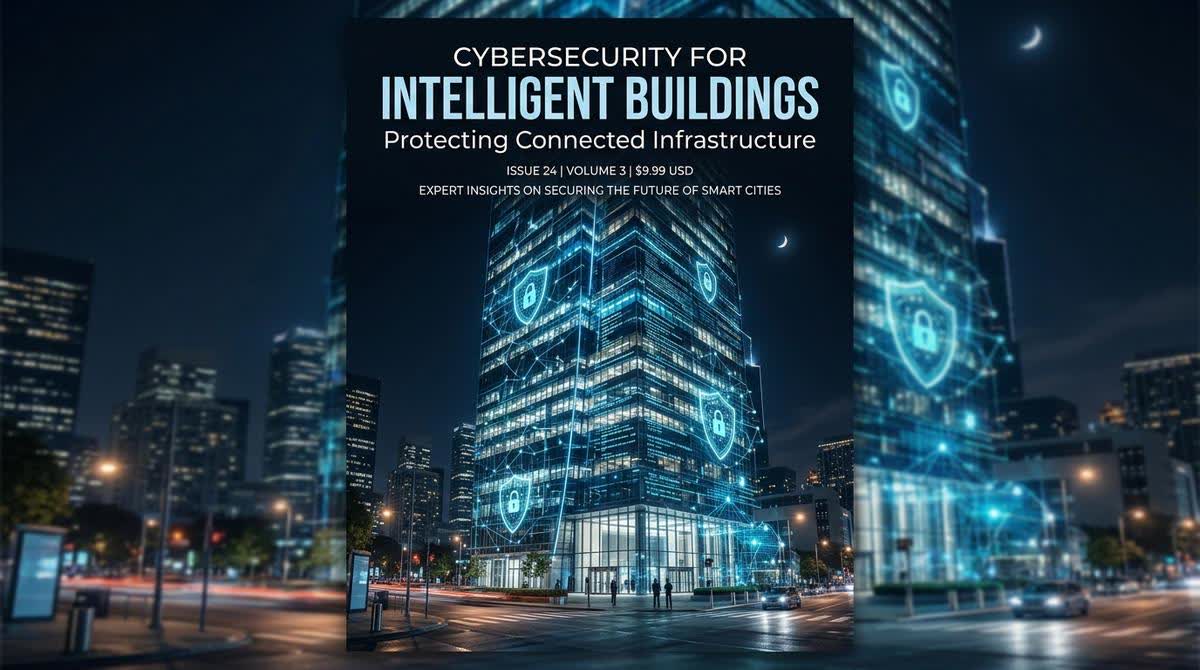
Cybersecurity for Intelligent Buildings: Protecting Connected Infrastructure
The transformation of buildings into intelligent, connected environments has brought unprecedented benefits, but it has also introduced significant cybersecurity risks. Building systems that were once isolated and difficult to access are now connected to networks and the internet, creating potential entry points for cyber attacks that could compromise operations, safety, and data security.
For building owners, facility managers, and operators across the Middle East, understanding and managing cybersecurity risks is increasingly essential. The region has embraced building intelligence with remarkable enthusiasm, but awareness of the associated risks has not always kept pace with technology adoption. This article provides a comprehensive framework for cybersecurity in intelligent buildings.
Understanding the Cybersecurity Risk Landscape
The cybersecurity risks facing intelligent buildings are real and growing, requiring serious attention from building owners and operators.
The Attack Surface Expansion
The number of connected devices in buildings has increased dramatically. HVAC systems, lighting controls, access control systems, CCTV cameras, and building management systems are all potential entry points for cyber attacks. Each connected device represents a potential vulnerability that must be protected. The attack surface of a typical intelligent building includes hundreds or thousands of potential entry points, far more than conventional IT systems.
The Nature of Building System Vulnerabilities
Building systems were traditionally designed for reliability and safety, not cybersecurity. Many devices lack basic security features that would be standard in IT equipment. Default passwords are often unchanged. Firmware updates are rarely applied. The security of building systems often lags significantly behind conventional IT security.
The Consequences of Cyber Attack
A successful cyber attack on building systems can have serious consequences. HVAC systems could be disabled, causing uncomfortable or unsafe conditions. Access control systems could be compromised, allowing unauthorized entry. BMS could be disrupted, causing operational failures. In extreme cases, safety systems could be affected, creating life safety risks. The consequences extend beyond operational disruption to include legal liability and reputational damage.
The Threat Actors
Multiple threat actors pose risks to intelligent buildings. Hacktivists may target buildings for political reasons. Cyber criminals may seek financial gain through extortion. Disgruntled employees may disrupt operations. State-sponsored actors may target critical infrastructure. Understanding the threat landscape is essential for effective security.
The Regulatory Environment
Regulatory requirements for cybersecurity are increasing globally. Data protection regulations impose requirements for security of personal data. Critical infrastructure regulations may impose specific cybersecurity requirements. The regulatory environment is evolving and will continue to impose new requirements.
Key Cybersecurity Principles for Intelligent Buildings
Several principles guide effective cybersecurity in intelligent buildings.
Defense in Depth
No single security measure is sufficient. Multiple layers of security provide protection when individual measures fail. Network segmentation isolates systems and limits attack propagation. Access controls restrict who can access systems. Monitoring detects and alerts on suspicious activity. Defense in depth provides comprehensive protection.
Least Privilege
Users and systems should have only the access they need. Minimum necessary privileges reduce the potential damage from compromised accounts. Administrative access should be strictly limited. Regular review of access privileges ensures they remain appropriate.
Default Deny
Systems should default to denying access. Access should be granted based on explicit approval. Default deny prevents unauthorized access. It implements a security-first approach.
Continuous Monitoring
Security requires ongoing vigilance. Monitoring systems detect suspicious activity. Alerts enable rapid response to potential threats. Logging supports investigation of security incidents. Continuous monitoring is essential for effective security.
Patch and Update Management
Vulnerabilities in systems must be addressed through updates and patches. Regular patching prevents exploitation of known vulnerabilities. Update management ensures systems remain secure. The process must be systematic and timely.
Specific Security Considerations for Building Systems
Different building systems have different security characteristics and vulnerabilities.
Building Management Systems
BMS are critical infrastructure that must be protected. BMS often use protocols that lack security features. Network segmentation should isolate BMS from other networks. Access to BMS should be restricted and logged. Regular security assessment of BMS is essential.
Access Control Systems
Access control systems manage physical security and must be protected. Compromise of access control systems has serious implications. Network connectivity should be restricted. Access to administration should be limited. Physical security of controllers and panels must be maintained.
CCTV Systems
CCTV systems provide security monitoring and must be reliable. Cameras can be compromised to provide false data or disable surveillance. Network segmentation protects camera networks. Secure passwords and authentication prevent unauthorized access. Regular security assessment identifies vulnerabilities.
IoT Devices
IoT devices in buildings often lack security features. Default passwords must be changed. Firmware updates must be applied regularly. Devices should be monitored for suspicious activity. Many IoT devices have limited security capabilities and require additional protection.
Network Infrastructure
Network infrastructure is the backbone of building intelligence and must be protected. Switches and routers must be securely configured. Access to network infrastructure must be restricted. Network monitoring detects suspicious activity. Network security is foundational.
Implementation Strategies for Building Cybersecurity
Several strategies support effective cybersecurity implementation in intelligent buildings.
Security Assessment
Begin with a comprehensive security assessment. Identify vulnerabilities in building systems. Prioritize remediation based on risk. Assessment should cover all connected building systems. Regular assessment maintains awareness of changing risk.
Network Architecture Design
Design network architecture with security in mind. Segment networks to isolate building systems from each other and from general IT. Restrict communication between network segments. Implement firewalls to control traffic between segments. Network architecture is the foundation of building cybersecurity.
Access Control Implementation
Implement appropriate access controls for building systems. Use strong authentication for administrative access. Restrict physical access to equipment rooms and control panels. Log access for monitoring and investigation. Access control prevents unauthorized system changes.
Monitoring and Detection
Implement monitoring to detect suspicious activity. Network monitoring identifies unusual traffic patterns. System monitoring detects unauthorized changes. Security information and event management (SIEM) provides comprehensive visibility. Monitoring enables rapid response to security incidents.
Incident Response Planning
Develop incident response plans for cybersecurity incidents. Define roles and responsibilities for incident response. Establish procedures for containment, investigation, and recovery. Test plans through exercises and simulations. Incident response planning ensures effective response when incidents occur.
Vendor Management
Manage vendors to ensure security of their products and services. Specify security requirements in contracts. Verify vendor security practices. Require vendors to support security updates. Vendor management extends security beyond direct control.
Security Training
Train personnel in cybersecurity practices. Building operators should understand security responsibilities. Security awareness should be part of training programs. Training reduces the risk of human error. Security culture supports effective security implementation.
The AllandMuchMore Approach to Building Cybersecurity
At AllandMuchMore, we understand the cybersecurity risks of intelligent buildings and how to address them effectively.
Strategic Assessment
We assess your building systems and identify security vulnerabilities. We understand the specific risks of different building systems. Our assessment provides a comprehensive view of security posture. We prioritize remediation based on risk assessment.
Security Design
We design building systems with security in mind from the start. We specify security requirements in system design. Our designs reflect best practices and industry standards. We consider security throughout the design process.
Implementation Support
We support secure implementation of building systems. We provide guidance on security configuration. Our installation practices include security considerations. We test security controls during commissioning.
Ongoing Support
We provide ongoing support for building cybersecurity. We help maintain security through updates and patches. Our monitoring and detection services identify potential threats. We support incident response when needed.
In the End :
Cybersecurity is an essential consideration for intelligent buildings. The connectivity that enables building intelligence also creates vulnerabilities that must be addressed. Building owners and operators who neglect cybersecurity risk operational disruption, safety incidents, and reputational damage.
Effective cybersecurity requires a systematic approach based on established principles and practices. Defense in depth, least privilege, continuous monitoring, and regular updates all contribute to security. Implementation should be proportional to the risks facing each building.
Building owners and operators who invest in cybersecurity protect their investments and their reputations. Security is not just a technical issue but a business imperative. The cost of security is modest compared to the potential consequences of a successful attack.
At AllandMuchMore, we have the expertise to help you secure your intelligent building systems. Our comprehensive approach covers everything from assessment through ongoing support. When you work with us, you are investing in the security of your building infrastructure.