Loading Data...
ELV & Light Current
Pioneering the future of intelligent infrastructure. Select a system below to explore its architecture, components, and technical specifications.
01
Security & Life Safety Systems
01
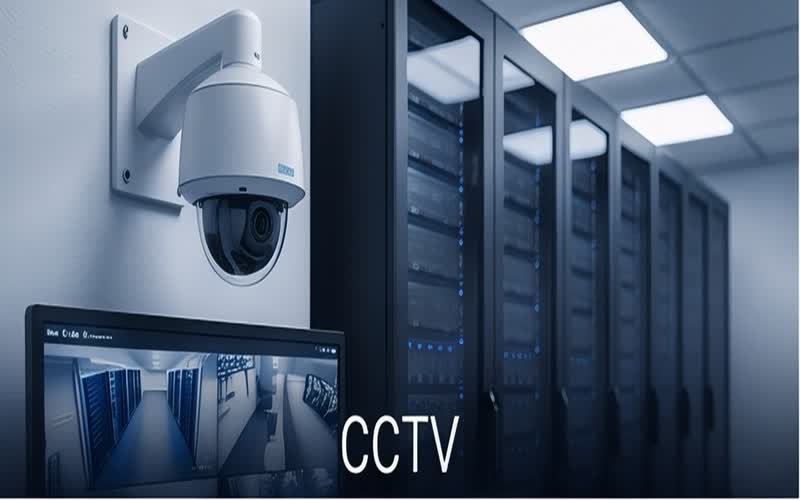
CCTV / Video Surveillance
A Closed-Circuit Television (CCTV) system is a security system designed to monitor and record activities in specific areas using video cameras, to enhance security, deter crime, and provide visual evidence of events. It is widely used in commercial, residential, industrial, and public buildings.
02
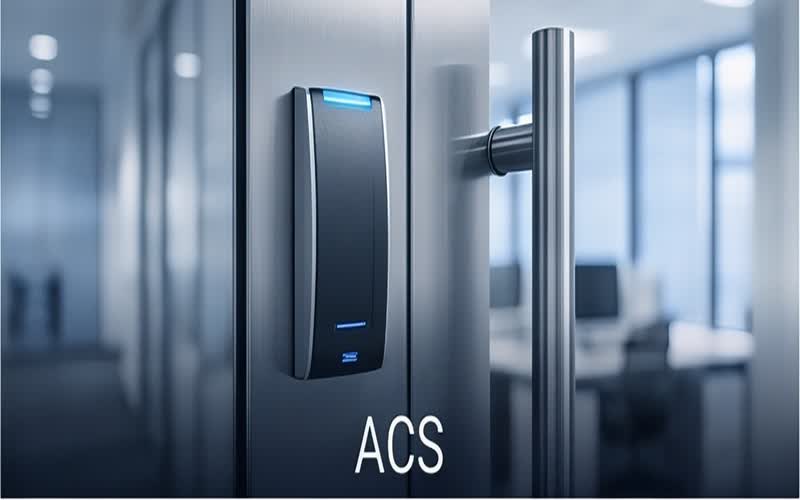
Access Control (ACS)
An access control (ACS) system is a security system designed to regulate and monitor entry to and exit from specific areas within a building, ensuring that only authorized individuals can access those areas at specific times. This system enhances security, records personnel movement, and provides detailed entry and exit reports.
03
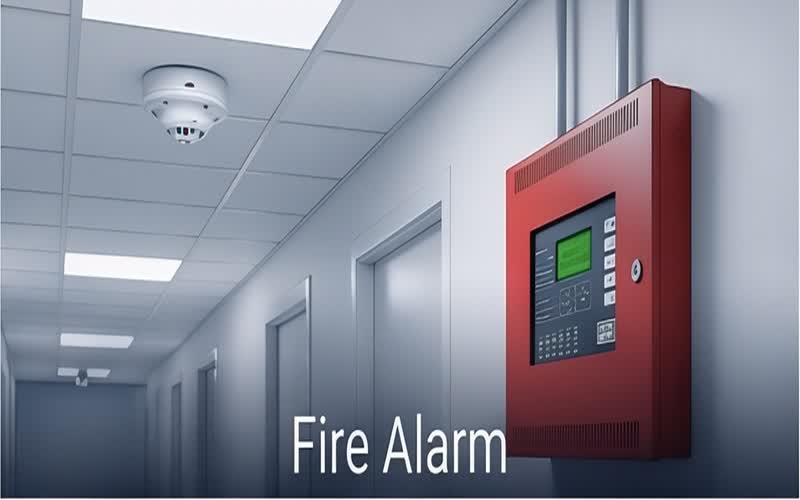
Fire Alarm (FAS)
A Fire Alarm System (FAS) is a vital system designed for the early detection of fire, smoke, or overheating, and to alert building occupants and relevant authorities of a potential hazard. It aims to protect lives and property by providing sufficient time for evacuation and emergency response.
04
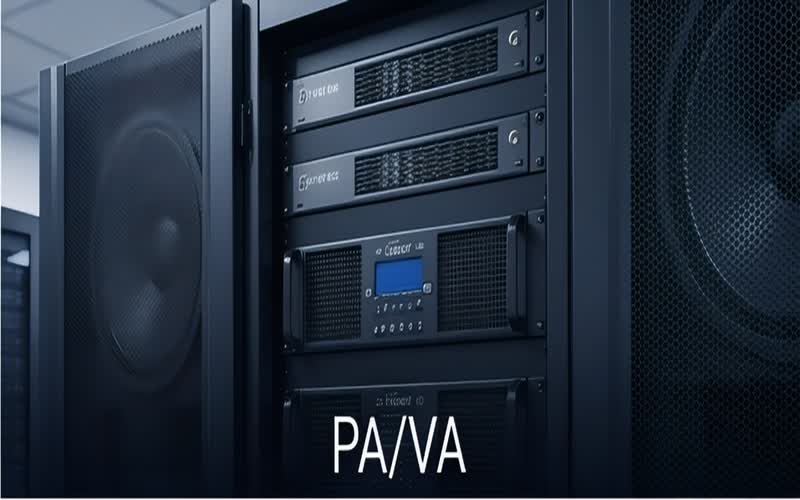
PA / Voice Alarm (PA/VA)
A Public Evacuation and Call-Out (PA/VA) system is a voice communication system designed to provide clear and understandable audio announcements, whether pre-recorded emergency evacuation messages or live public announcements. It aims to effectively guide building occupants during emergencies, such as fires, or to manage crowds in public spaces.
05
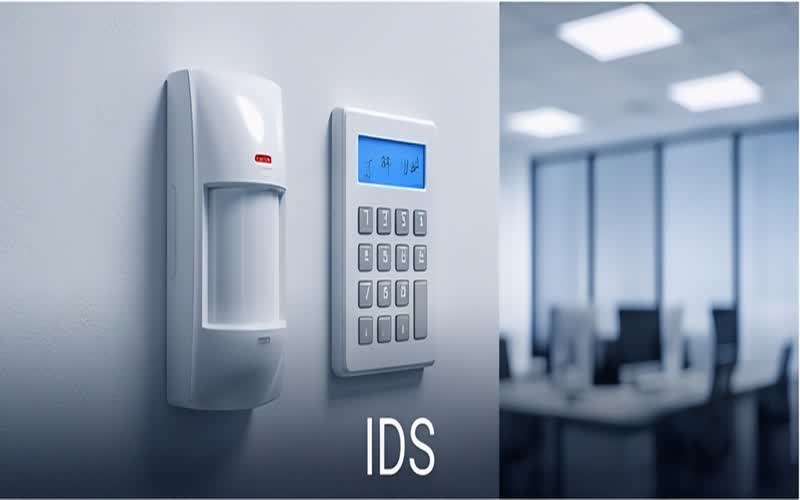
Intrusion Detection (IDS)
An Intrusion Detection and Removal (IDS) system is a security system designed to detect any unauthorized entry or attempted intrusion into a building or specific areas within it. It aims to provide immediate alerts to security authorities or building owners, enabling a rapid response to prevent or minimize damage caused by intrusion.
06
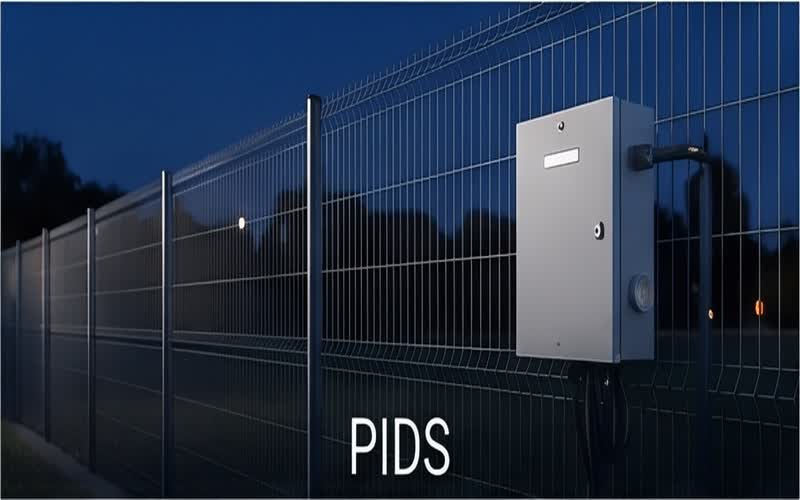
Perimeter IDS (PIDS)
A Perimeter Fence Protection System (PIDS) is a specialized security system designed to detect any attempt to infiltrate or breach the perimeter of a facility (such as fences, walls, or open areas). It aims to provide early warning before intruders reach the main building, thus allowing for a longer security response time.
02
Infrastructure & Communications Systems
07
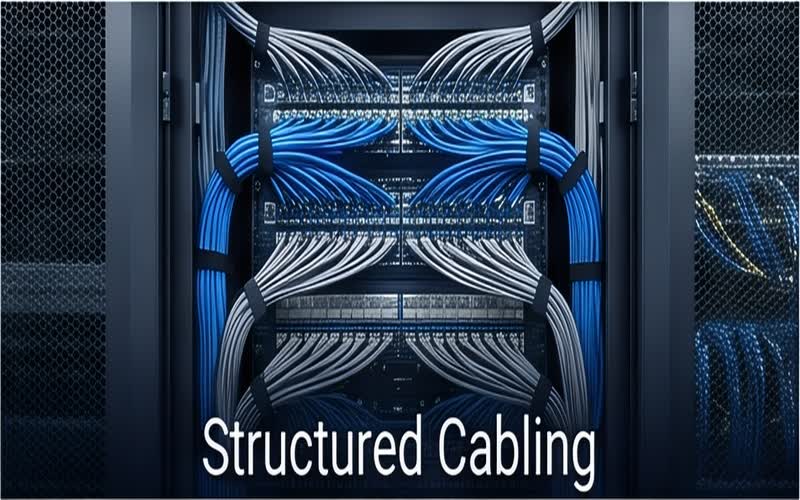
Structured Cabling (SCS)
A structured cabling system (SCS) is a unified and structured infrastructure for cabling and associated components, designed to support a wide range of voice, data, and video communication applications. This system provides a flexible and reliable foundation for a building's network, facilitating installation, management, expansion, and troubleshooting.
08
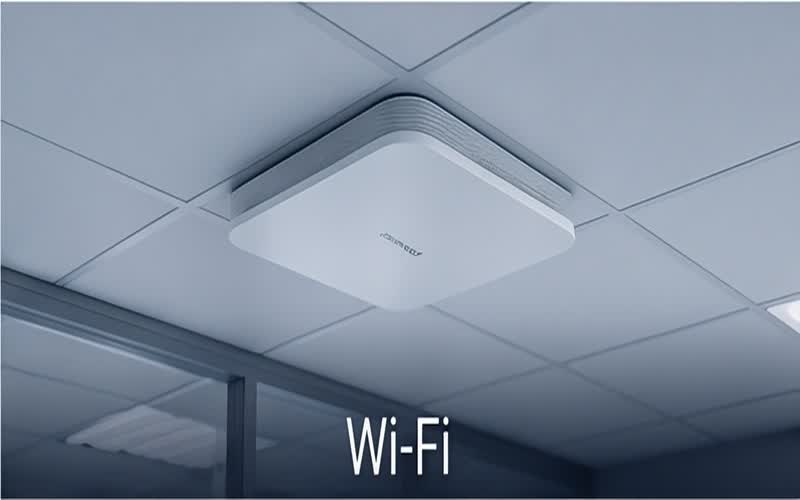
Wireless LAN (Wi‑Fi)
A Wireless Local Area Network (WLAN)، also known as Wi-Fi, is a communication system that allows devices to connect to a network and the internet wirelessly. This system provides users with high flexibility and facilitates access to network resources without the need for physical cables, thus supporting mobility and productivity in various environments.
09
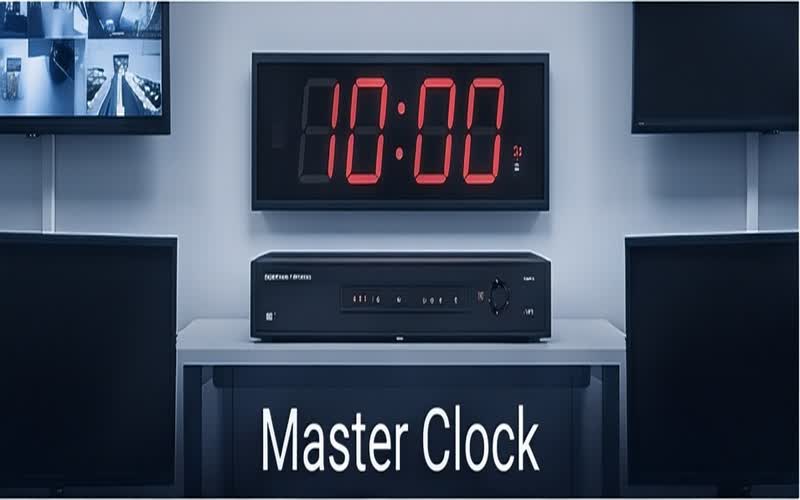
Master Clock System
A master clock system is a system designed to provide accurate and uniform timekeeping for all clocks in a building or facility. This system ensures the synchronization of all devices requiring precise timing, thereby enhancing operational efficiency and reducing confusion caused by time zone differences.
10
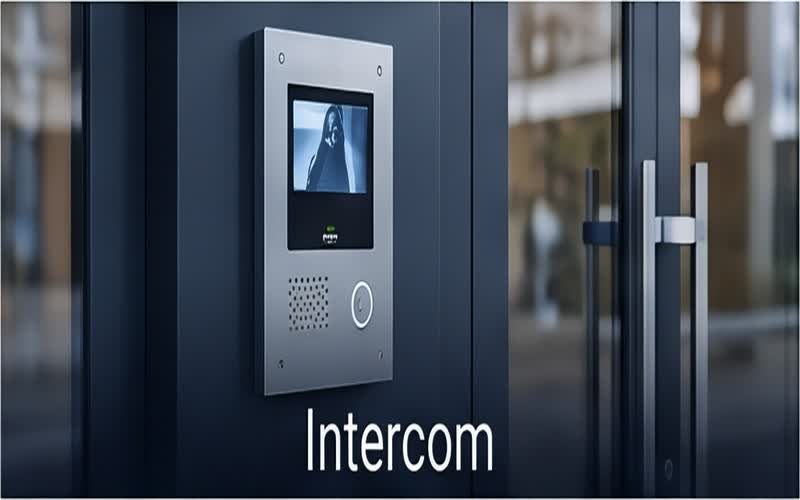
Intercom (Video/Audio)
An audio-visual intercom system is a communication system that allows audio and video communication between two or more points within a building or complex. It is commonly used at the main entrances of residential and commercial buildings to allow visitors to communicate with building occupants before being granted entry, thus enhancing security and convenience.
11
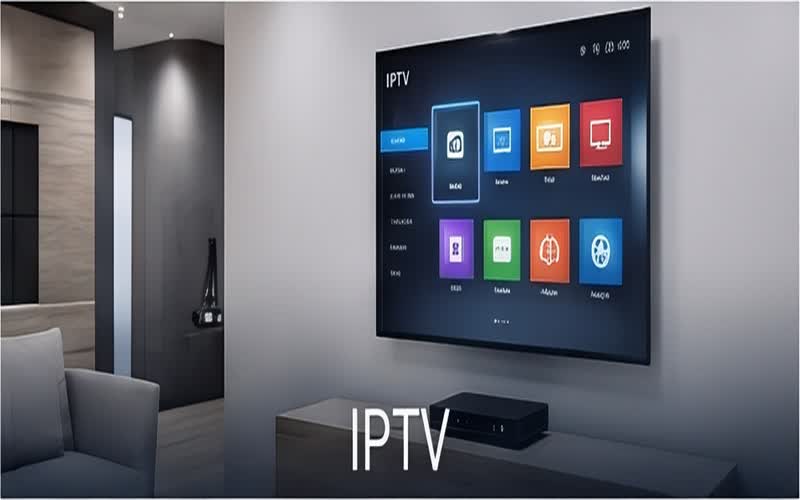
TV Broadcast (IPTV/SMATV)
A television reception and distribution system aims to provide high-quality television and radio channels to users within a building or complex. There are two main types: a combined satellite master antenna television (SMATV) system, which distributes both satellite and terrestrial television signals, and an internet protocol television (IPTV) system, which distributes television content over an IP network.
03
Automation and Building Management Systems
12
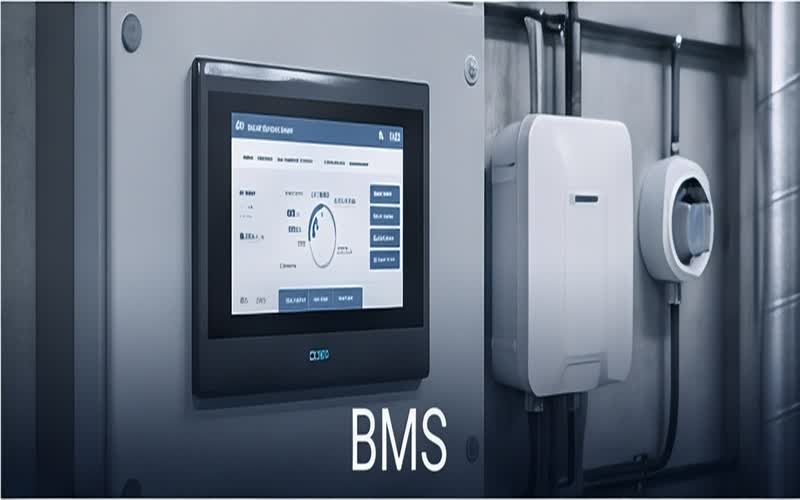
Building Management (BMS)
A Building Management System (BMS) is a computer-based control system used to monitor and control a building's mechanical, electrical, and plumbing (MEP) systems, such as heating, ventilation, and air conditioning (HVAC)، lighting, power, and security systems. It aims to improve energy efficiency, occupant comfort, safety, and security, while reducing operating and maintenance costs.
13
Lighting Control (LCS)
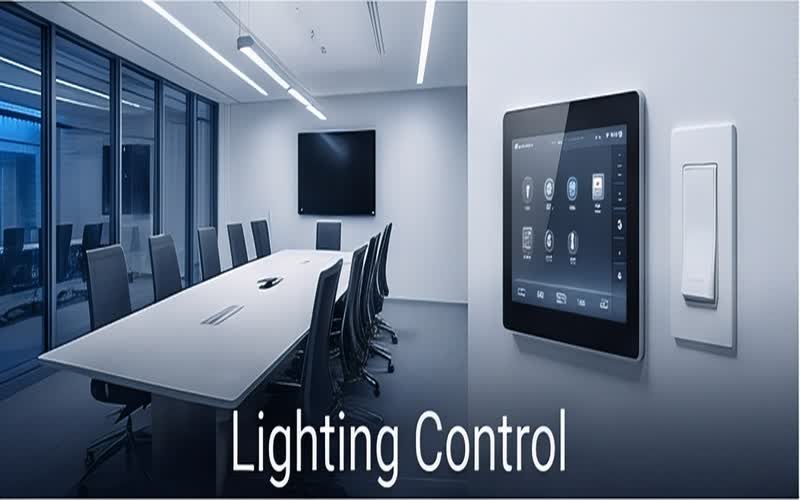
A Lighting Control System (LCS) is an intelligent system designed to efficiently manage and operate lighting inside or outside a building. It aims to improve energy efficiency, provide comfortable and appropriate lighting levels for various activities, and extend the lifespan of light bulbs. It can include the control of interior and exterior lighting, as well as architectural lighting.
14
Guest Room Management (GRMS)
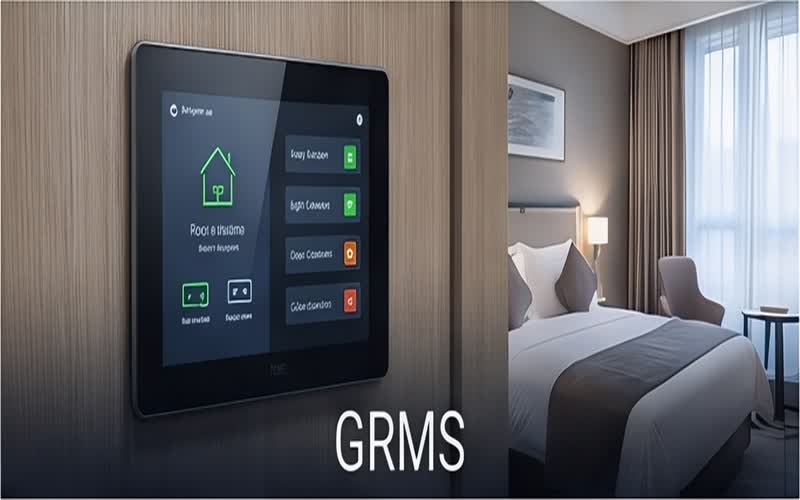
A Guest Room Management System (GRMS) is an integrated automation system specifically designed for hotels and resorts. It aims to enhance the guest experience, increase energy efficiency, and streamline operational processes. This system allows guests to control various room functions such as lighting, air conditioning, blinds, and Do Not Disturb mode, while providing hotel management with tools to efficiently monitor and manage rooms.
15
Smart Home Automation
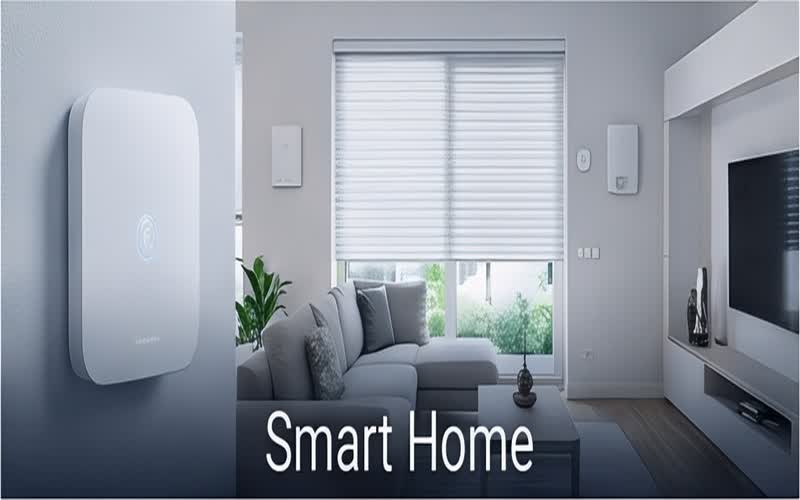
A smart home automation system is a system that connects various devices and systems within a home, allowing for automated and programmed control of home functions such as lighting, air conditioning, blinds, entertainment systems, security, and appliances. It aims to provide comfort, security, energy efficiency, and an improved quality of life for homeowners.
16
UPS & Power Monitoring
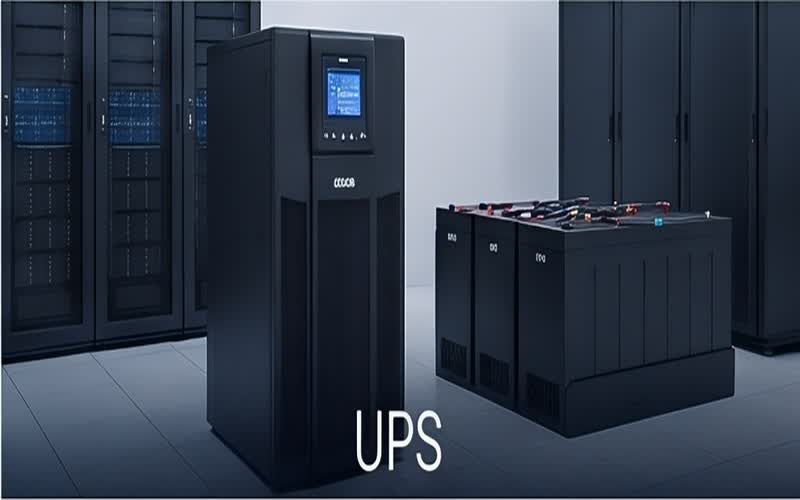
An uninterruptible power supply (UPS) and power monitoring system is designed to ensure a continuous supply of electrical power to critical loads in a building, protect sensitive equipment from power fluctuations, and monitor and analyze energy consumption. It aims to improve the reliability of the electrical system, energy efficiency, and reduce operating costs.
04
Specialized Facilities Systems
17
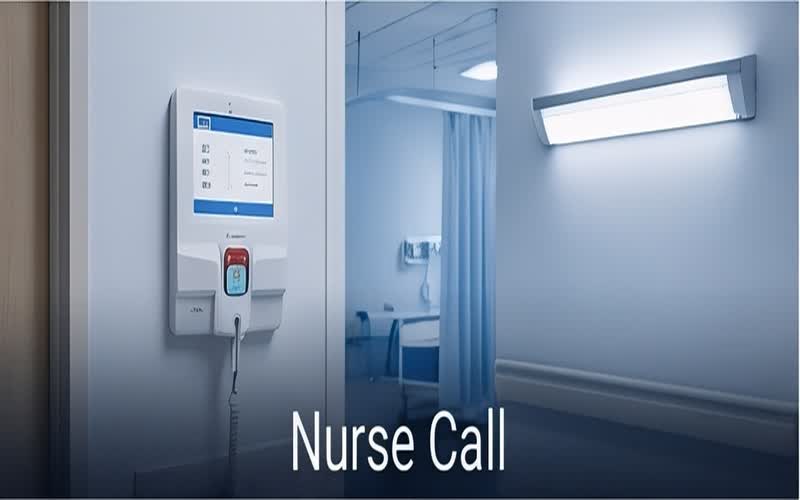
Nurse Call (NCS)
A Nurse Call System (NCS) is a vital communication system designed specifically for hospitals, clinics, and healthcare facilities. It allows patients to easily and quickly request assistance from nursing staff and helps manage the response to these requests efficiently. It aims to improve patient safety, response times, and coordination among healthcare staff.
18
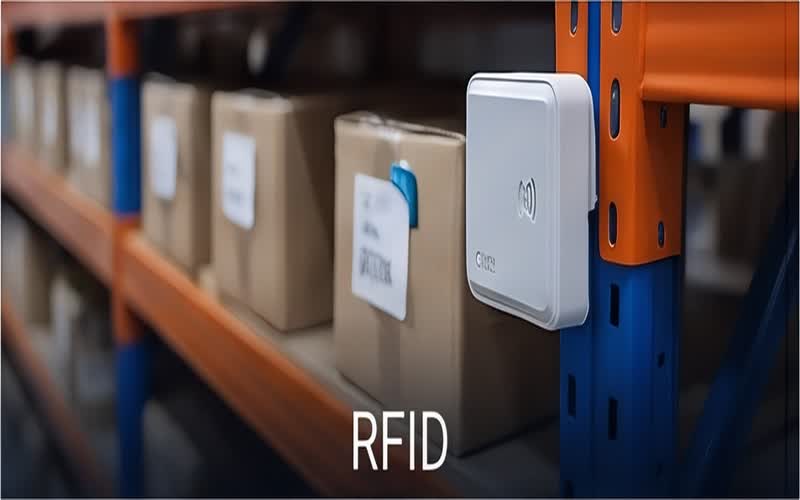
RFID Tracking & Infant Protection
An RFID Tracking/Infant Protection system is a security system that uses Radio Frequency Identification (RFID) technology to monitor and track the movement of individuals (especially newborns and vulnerable patients) and valuable equipment within facilities. It aims to enhance security, prevent theft or kidnapping, and improve operational efficiency by quickly locating assets.
19
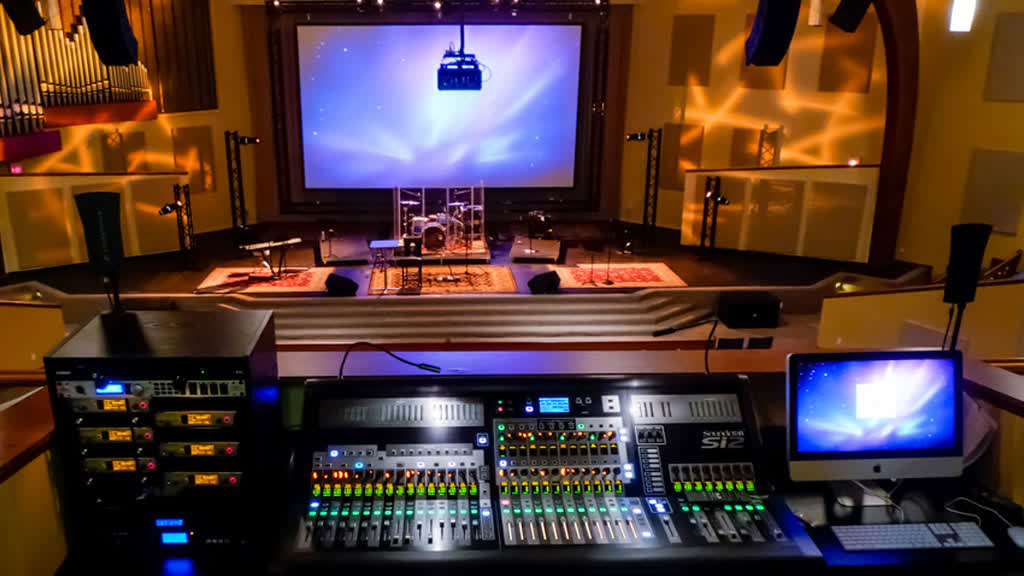
Audio‑Visual (AV)
Audio-visual (AV) systems are a collection of equipment and technologies designed to deliver high-quality audio and video content in various environments such as meeting rooms, theaters, lecture halls, classrooms, and entertainment centers. They aim to facilitate communication, enhance the presentation experience, and support educational and recreational activities.
20
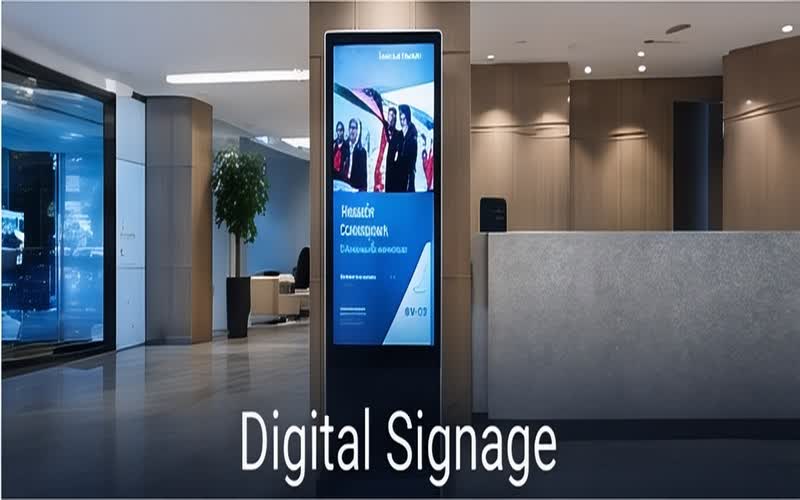
Digital Signage
A digital signage system is an electronic display system that uses digital screens to display multimedia content (text, images, video, animation) for informational, advertising, or directional purposes. It is commonly used in public spaces such as shopping malls, airports, hospitals, hotels, and commercial buildings to communicate information effectively and attractively.
21
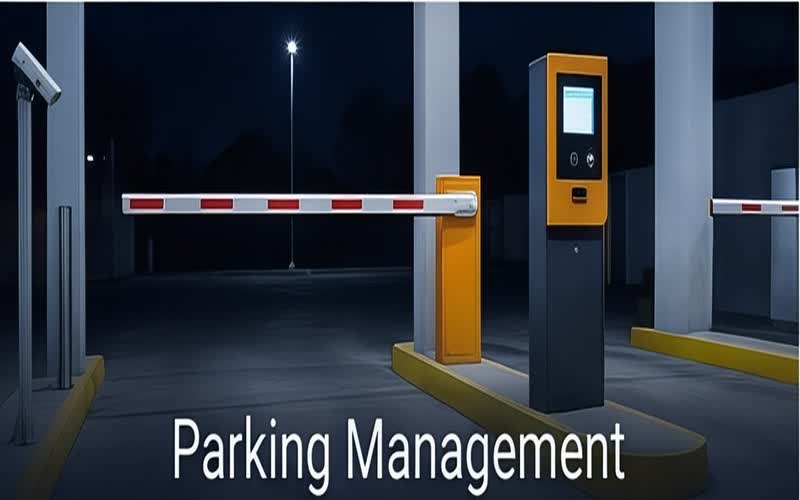
Parking Management (PMS)
A Parking Management System (PMS) is an integrated system designed to efficiently manage and operate parking facilities, whether public, private, or those belonging to shopping centers and residential buildings. It aims to improve traffic flow, increase revenue, enhance security, and provide a convenient user experience by automating entry and exit, payment, and monitoring processes.
22
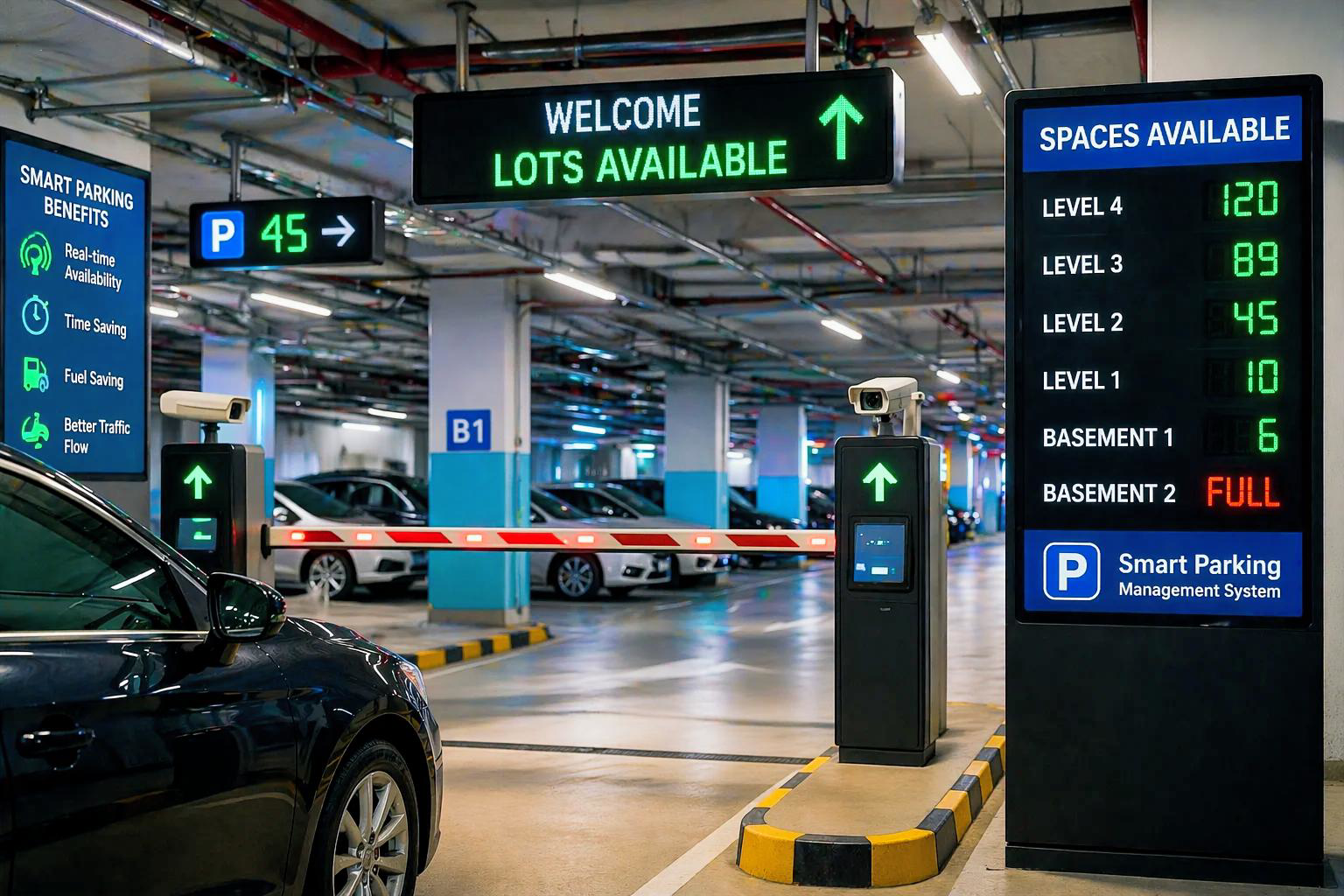
Parking Guidance (PGS)
A Parking Guidance System (PGS) is an intelligent system designed to help drivers quickly and efficiently find available parking spaces in large or multi-story parking garages. It aims to reduce congestion, save drivers time and fuel, and improve the overall parking experience.
23
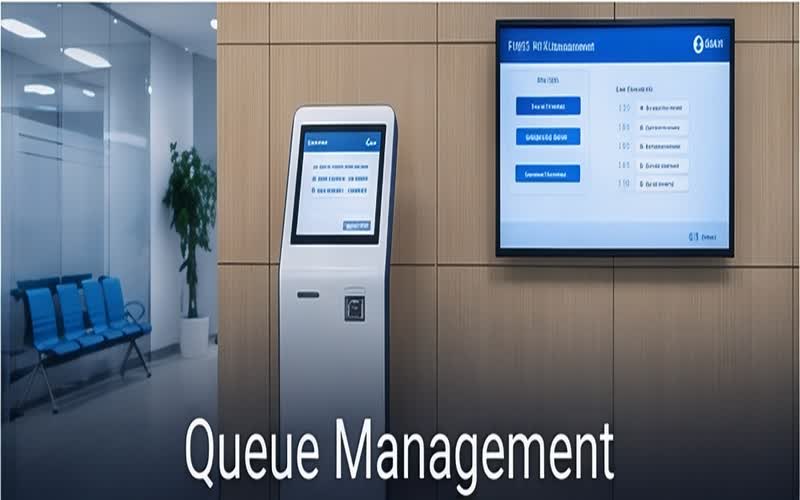
Queue Management (QMS)
A Queue Management System (QMS) is a system designed to organize and manage the flow of customers or visitors in service environments that require waiting, such as banks, hospitals, customer service offices, and government departments. It aims to improve the customer experience, reduce perceived waiting times, increase staff efficiency, and provide an organized waiting environment.
24
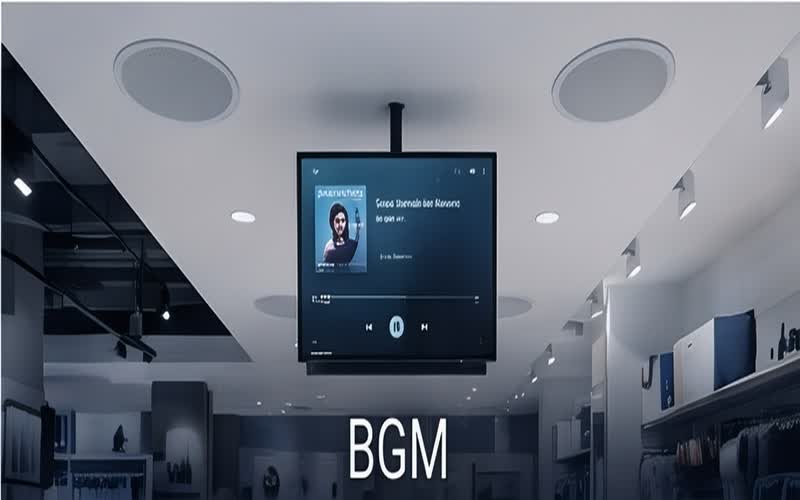
Background Music (BGM)
A background music (BGM) system is an audio system designed to provide soothing music or audio announcements in public areas within buildings such as hotels, shopping malls, restaurants, offices, and waiting areas. It aims to create a comfortable and pleasant atmosphere, enhance the visitor experience, and provide a means of conveying important messages.