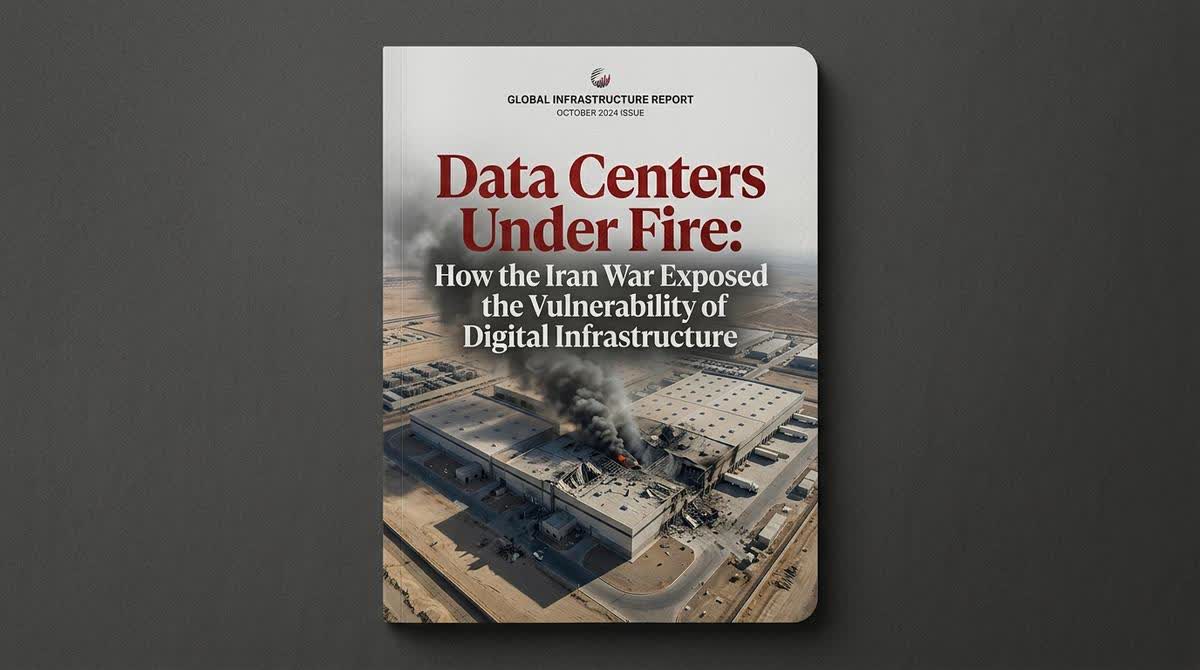
On March 1, 2026, the nature of modern warfare changed forever. Iranian drones struck Amazon Web Services (AWS) data centers in the United Arab Emirates and Bahrain, marking the first time in history that a major technology company's digital infrastructure had been directly targeted in a state-level military conflict.
The message from Iran was unmistakable: in the digital age, data centers are legitimate military targets. And the implications for technology companies, investors, and businesses that rely on cloud infrastructure are profound.
The Attacks: What Happened
The strikes were not isolated incidents but part of a deliberate strategy to target what Iran called "enemy technology infrastructure". Iran specifically threatened attacks against seven US technology firms: Amazon, Microsoft, Google, Palantir, Nvidia, IBM, and Oracle.
The damage was significant:
- Two AWS data centers in the UAE were hit
- One AWS data center in Bahrain was damaged
- Schools and offices in affected areas were forced to go remote
- Many customers who relied on the data centers for computing power remained in limbo
The attacks raised serious questions about the security of the massive technology investments that American companies had made in the region. Industry leaders had committed billions of dollars to delivering chips and building AI infrastructure in the Gulf, investments that now appeared increasingly vulnerable.
The Strategic Context: How We Got Here
The attacks did not happen in a vacuum. They were the result of a long-term strategy by Iran to target the digital infrastructure of its adversaries.
As one analysis noted, "The war in Ukraine showed clearly how the less technologically advanced side can exploit digital vulnerabilities to confuse the enemy and disrupt vital operations, particularly in the energy sector". Iran had clearly learned from this example and applied it to the Middle East context.
The attacks also reflected a broader shift in the nature of conflict. The lines between military and civilian infrastructure are blurring, and technology companies that partner with the US military have become legitimate targets. Iran's Revolutionary Guard cited "military use" by technology companies in justifying the strikes on the Amazon data centers.
The Economic Impact: Billions at Risk
The financial implications of the attacks are staggering:
- A single advanced AI chip (Nvidia's Blackwell) costs more than $30,000. Data centers contain thousands of these chips.
- Across the Middle East, total spending on consumer and business technology reached an estimated $65 billion in 2025, up from $36 billion in 2020.
- Spending on data centers and cloud services rose 75 percent in 2025 to $895 million.
The damage to these facilities is not just a matter of destroyed hardware. The disruption to cloud services affects thousands of businesses that depend on AWS for their operations. The indirect economic impact is likely far greater than the direct damage.
The war also affected the extent to which the UAE and Saudi Arabia could prioritize AI development. Sovereign wealth funds from both countries had been instrumental in subsidizing chip deals in the region, but recovering from conflict strained their resources.
The Investment Dilemma: Stay or Go?
The attacks have created a significant dilemma for technology companies. On one hand, the strategic and economic motivations that led to the Gulf investments in the first place remain compelling. The region offers access to deep-pocketed governments, cheap energy, and hands-off regulation.
On the other hand, the risks have increased dramatically. Semiconductor policy researchers told Politico that Silicon Valley would inevitably be more hesitant to export AI hardware to the region. As one analyst noted, "I would expect the investment there to ramp down slightly".
There are also practical constraints. As one expert observed, "They will now have to spend substantial sums rebuilding, but also enhancing their own defenses and dealing with economic fallout. There's less funds available for AI investment in the region".
However, Saudi Arabia and the UAE have been keen on growing domestic AI industries as part of longer-term ambitions to make their economies less reliant on oil. At least some amount of spending on chips will be necessary to bring those plans to fruition.
The Technical Implications for ELV and Infrastructure Professionals
For professionals working in the ELV and infrastructure sectors, the attacks have several critical implications:
1. Physical Security Must Be Reassessed
The attacks on data centers highlight the need for enhanced physical security measures. This includes:
- Hardened facilities with blast-resistant construction
- Redundant power and cooling systems
- Multiple physical access points with layered security
- Distributed architecture with backup facilities in less vulnerable locations
2. Supply Chain Resilience is Critical
The disruption to shipping routes and attacks on ports have highlighted the vulnerability of technology supply chains. Companies must diversify their supply sources and maintain strategic inventory of critical components.
3. The Cost of Infrastructure Has Increased
Higher energy prices, increased insurance premiums, and the need for enhanced security measures have all increased the cost of building and operating data centers. These costs must be factored into project budgets and business cases.
4. The Risk of "Digital Colonialism"
The attacks have raised questions about the wisdom of relying on foreign technology providers for critical infrastructure. Gulf countries may accelerate efforts to develop domestic technology capabilities to reduce dependence on foreign providers.
The Future: A New Normal?
The attacks on data centers represent a fundamental shift in how we think about digital infrastructure. They are no longer passive assets but active targets in modern warfare.
The technology industry is learning lessons that oil producers and global banks have struggled to navigate for decades. The region—once seen as a safe haven for investment, cheap energy, and hands-off regulation—has become a theater of conflict.
The future will likely see:
- Increased diversification:Â Companies will spread their infrastructure across multiple regions to reduce concentration risk.
- Enhanced physical security:Â Data centers will become more fortress-like, with military-grade security measures.
- Government involvement:Â Governments will play a larger role in protecting critical digital infrastructure.
- Higher costs:Â The era of cheap, unregulated data center construction in the Gulf may be over.