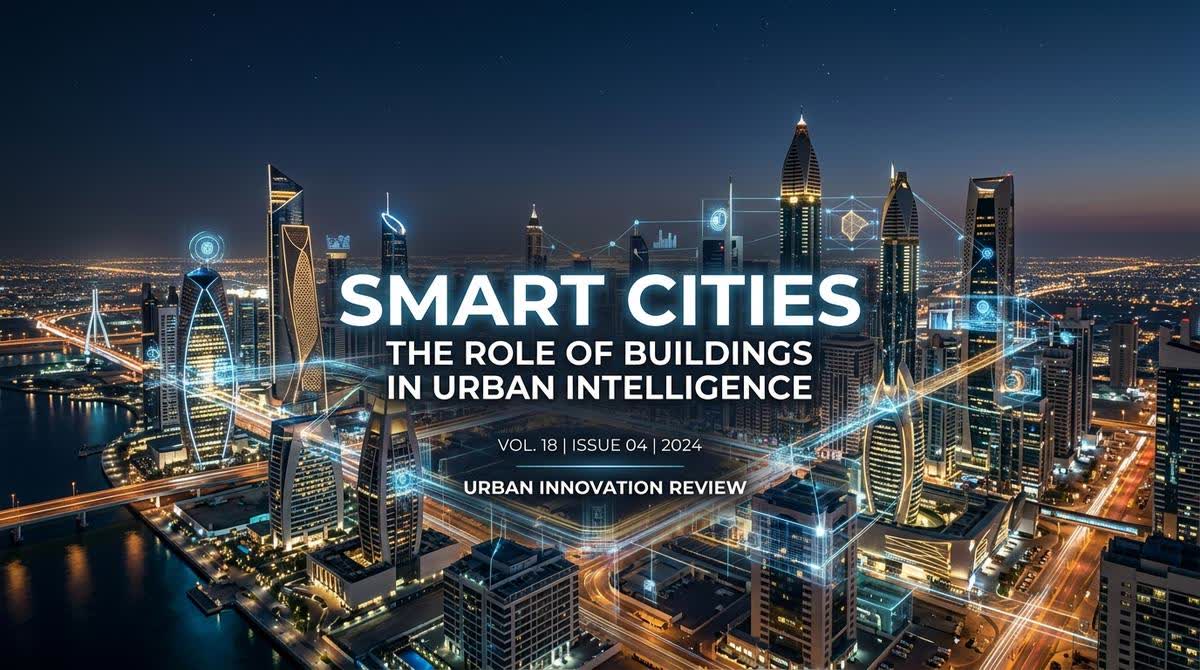
Smart Cities: The Role of Buildings in Urban Intelligence
Smart city initiatives are transforming urban development across the Middle East, with ambitious projects from NEOM in Saudi Arabia to Masdar City in the UAE reimagining what cities can be. These initiatives recognize that the intelligence of a city is the sum of the intelligence of its buildings, and that achieving urban intelligence requires building-level capabilities that support city-wide data integration, optimization, and management.
For building owners, developers, and investors, understanding the role of buildings in smart cities is essential for positioning assets for long-term value creation. The transition to smart cities is not a distant future but an ongoing transformation that is already reshaping market expectations, regulatory requirements, and competitive dynamics.
The Strategic Value of Smart City Alignment
Aligning building development with smart city initiatives creates value across multiple dimensions.
Market Positioning
Properties that align with smart city initiatives are better positioned in the market. Tenants and occupants increasingly expect connectivity, intelligence, and sustainability that align with broader urban goals. Smart-enabled buildings command premium rents and attract quality tenants. The alignment with smart city objectives enhances market positioning and asset value.
Regulatory Advantage
Smart city initiatives are often supported by regulatory frameworks that incentivize alignment. Accelerated permitting, density bonuses, and tax incentives may be available for smart-enabled development. Early alignment with smart city objectives positions projects for regulatory advantage and reduces compliance costs.
Future-Proofing
Smart city initiatives establish the trajectory for urban evolution. Buildings that align with this trajectory are better positioned for long-term value. Those that fail to align risk obsolescence as regulatory requirements and market expectations evolve. Smart city alignment is future-proofing.
Data Value
Smart cities generate and utilize vast amounts of data. Buildings that contribute data to the urban intelligence platform participate in the value creation of the smart city ecosystem. Data from buildings informs urban planning, infrastructure investment, and service delivery. Building data creates value for the city and the building owner.
Economic Development
Smart city development attracts investment, talent, and business activity. Building owners benefit from the economic development generated by smart city initiatives. Properties in smart-enabled locations appreciate as economic activity increases. Investment in smart-enabled buildings aligns with economic development.
Understanding Smart City Architecture
Smart cities are built on a layered architecture that integrates data, systems, and services.
Sensing Layer
The sensing layer collects data from buildings and the urban environment. Building sensors provide data on energy consumption, occupancy, environmental conditions, and equipment performance. These sensors are the foundation of urban intelligence. The quality and comprehensiveness of building sensor infrastructure directly impacts the value of data contributed to the smart city platform.
Connectivity Layer
The connectivity layer transmits data from sensing devices to processing systems. Robust connectivity infrastructure is essential for smart city operation. 5G networks, fiber optics, and IoT protocols enable the data transmission required for urban intelligence. Building connectivity infrastructure must be adequate for current requirements and scalable for future needs.
Data Processing Layer
The data processing layer converts raw data into actionable intelligence. Cloud platforms provide scalable processing capacity for urban data. Advanced analytics, machine learning, and AI extract insights from the vast amount of data collected. Building systems that provide structured, reliable data contribute more effectively to this layer.
Service Delivery Layer
The service delivery layer translates intelligence into action and user value. Urban services including transportation, energy, water, and waste management are optimized through data-driven decision-making. Building systems that enable service integration and participation in urban optimization create additional value.
User Interface Layer
The user interface layer provides visibility and control to city stakeholders. Residents, businesses, and city officials interact with the smart city through digital interfaces. Building systems that support these interfaces enhance user experience and satisfaction.
The Building's Role in Smart Cities
Buildings play a critical role in smart city success, serving as both data sources and service delivery platforms.
Energy and Water Management
Buildings are significant consumers of energy and water in cities. Smart building systems that optimize consumption contribute to urban resource efficiency. Data from building energy and water systems informs city-wide resource planning and optimization. Participation in demand response programs supports grid stability and efficiency.
Transportation Integration
Buildings are origins and destinations for urban transportation. Integration with smart transportation systems supports mobility efficiency. Parking management systems provide data for urban parking optimization. Building access and egress interfaces with public transportation systems create seamless mobility experiences.
Waste Management
Building waste management practices contribute to urban waste reduction goals. Smart waste monitoring optimizes collection schedules and reduces overflow incidents. Data from waste systems informs city-wide waste management planning. Buildings are essential partners in urban waste management.
Public Safety
Building security and safety systems contribute to urban public safety. Integration with city emergency response systems enables rapid incident response. Data from building safety systems supports city-wide safety monitoring and planning. Buildings are critical infrastructure for public safety.
Air Quality and Environmental Monitoring
Building environmental monitoring systems contribute data to city-wide air quality monitoring networks. Data from building systems provides valuable information for urban environmental management. Buildings participate in city-wide environmental optimization.
Citizen Engagement and Services
Buildings are the venues for many citizen interactions with city services. Digital interfaces in buildings support citizen engagement with city services. Smart building systems enable delivery of city services through building interfaces. Buildings are service delivery platforms for smart cities.
Smart City Initiatives in the Middle East
The Middle East is home to some of the world's most ambitious smart city initiatives.
NEOM
NEOM in Saudi Arabia represents perhaps the most ambitious urban development project in history. The project aims to create a city that is entirely smart, sustainable, and connected. Buildings in NEOM will be equipped with comprehensive intelligent systems that integrate with the city-wide intelligence platform. The project is redefining what is possible in urban development.
Masdar City
Masdar City in the UAE has been a pioneer in sustainable urban development since its inception. The city integrates comprehensive building intelligence with city-wide sustainability systems. Masdar demonstrates the potential for intelligent buildings to contribute to urban sustainability. The project provides valuable lessons for smart city development throughout the region.
Dubai Smart City
Dubai's ambition to become the smartest city in the world has driven significant investment in urban intelligence. Building systems throughout the city are being upgraded to support smart city objectives. The initiative recognizes that building-level intelligence is essential for achieving city-wide intelligence. Dubai provides a model for smart city integration.
Saudi Arabia Vision 2030
Saudi Arabia's Vision 2030 places smart city development at the center of economic diversification. Projects including NEOM and the Red Sea Project incorporate comprehensive building intelligence. The vision recognizes the role of buildings in achieving economic and sustainability objectives. Building owners and developers are essential partners in achieving the vision.
Implementation Considerations for Building Owners
Building owners and developers must consider several factors when positioning buildings for smart city integration.
Infrastructure Capacity
Building infrastructure must support smart city data requirements. Connectivity capacity must be adequate for data transmission. Power capacity must support sensor and system operation. Physical infrastructure must support installation and maintenance. Infrastructure capacity enables smart city participation.
System Integration
Building systems must be designed for integration with city systems. Open protocols and interfaces facilitate integration. Proprietary systems create barriers to smart city participation. Integration capability should be a consideration in system selection.
Data Privacy and Security
Smart city participation involves data sharing that raises privacy and security concerns. Data governance frameworks must be established. Security measures must protect data from unauthorized access. Compliance with privacy regulations is essential. Data trust is essential for smart city success.
Operational Readiness
Building operators must be prepared to participate in smart city initiatives. Training is essential for operators to support smart city integration. Operating procedures must reflect smart city requirements. Operational readiness supports effective participation.
Investment Prioritization
Investment in smart city alignment should be prioritized based on strategic objectives and market requirements. Some capabilities provide greater returns than others. Investment should be guided by a comprehensive understanding of smart city requirements and market expectations.
Future Trends in Smart Cities
Smart city development continues to evolve rapidly.
AI-Driven Urban Optimization
Artificial intelligence is enabling new levels of urban optimization. Traffic management, energy distribution, and emergency response are being transformed by AI. Building systems contribute data and participate in AI-driven optimization.
Digital Twins at City Scale
Digital twin technology is expanding from buildings to entire cities. City-scale digital twins enable comprehensive urban simulation and optimization. Building systems contribute data to the digital twin and benefit from the intelligence it provides.
Citizen Engagement and Co-Creation
Smart cities increasingly involve citizens in co-creation of urban services. Buildings provide platforms for citizen engagement with city services. Participation in smart city development is becoming more democratic.
Sustainability and Resilience
Smart cities increasingly focus on sustainability and resilience. Climate adaptation and emissions reduction are priorities. Buildings are essential partners in achieving these objectives.
Economic Development and Competitiveness
Smart city development is increasingly understood as an economic development and competitiveness strategy. Cities compete for investment and talent based on smart city capabilities. Building owners benefit from the economic development that smart city initiatives generate.
The AllandMuchMore Perspective
At AllandMuchMore, we understand the role of buildings in smart city success. Our approach reflects this understanding.
Strategic Assessment
We assess building requirements and smart city alignment opportunities. We identify capabilities that deliver the greatest value. Our recommendations are grounded in strategic analysis.
System Design
We design building systems that support smart city integration. Our designs reflect best practices and current smart city requirements. We consider future evolution and regulatory trends. Our designs are practical and maintainable.
Quality Implementation
Our experienced teams deliver quality installation and commissioning. We ensure that systems support smart city integration and data requirements. Our testing processes verify capability.
Ongoing Support
We provide training and ongoing support for smart city-enabled building operation. We help building owners participate effectively in smart city initiatives. Our relationship extends beyond installation.
In the End :
Smart cities represent the future of urban development, and buildings are essential building blocks of urban intelligence. Building owners, developers, and investors who align their assets with smart city initiatives gain competitive advantage and position their properties for long-term value creation.
The transition to smart cities is already reshaping the Middle East development landscape. Buildings that participate in smart city ecosystems command premium rents, attract quality tenants, and are better positioned for regulatory evolution. The investment in smart city alignment yields returns through enhanced marketability, operational efficiency, and protected asset value.
At AllandMuchMore, we have the expertise to help you position your buildings for smart city success. Our comprehensive approach covers everything from strategic planning through operational support. When you work with us, you are investing in the future of urban intelligence.